


The 2k Erg Pacing Plan: How to Avoid Going Out Too Fast
The first 500m of a 2k test always feels easy. Here is a split-by-split pacing plan, with rates and targets, so the last 500 doesn't collapse.
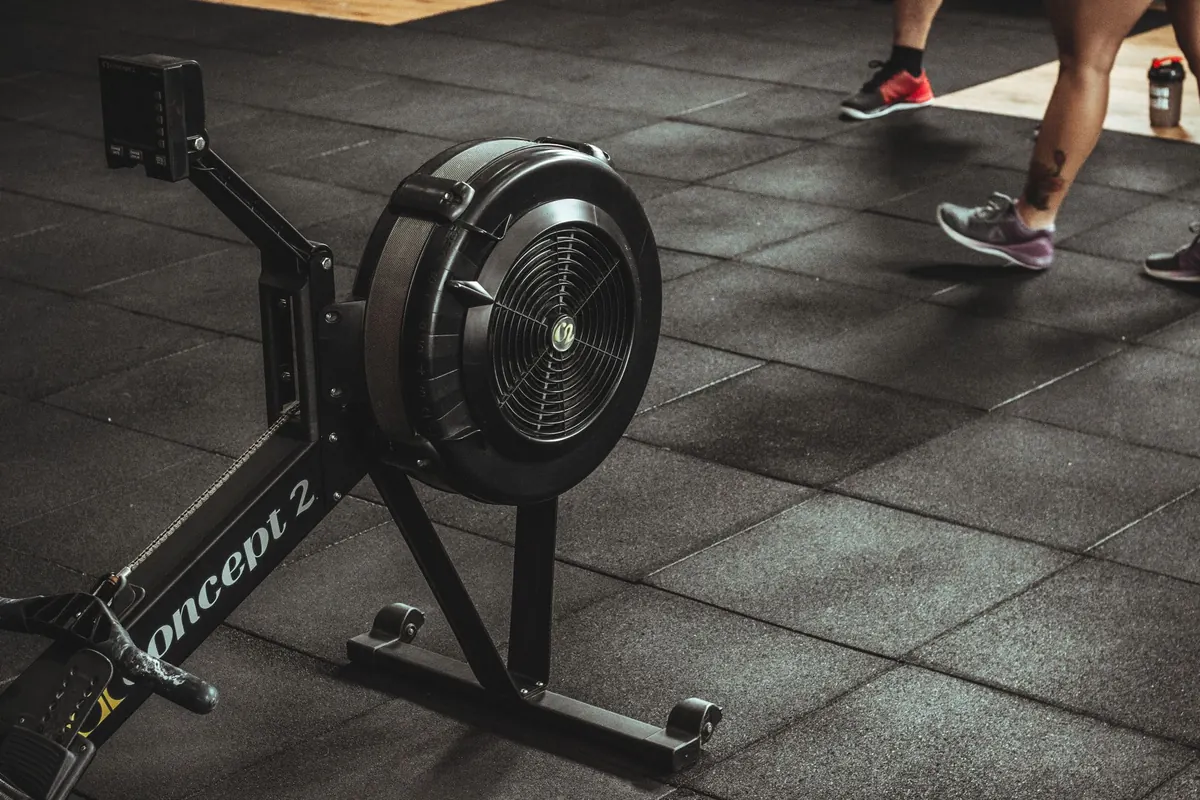
The first 500m of a 2k feels like a gift. The handle flies, the fan roars, and the split sitting on the monitor is one you have never seen in training. Then, somewhere around 900m, the gift is reclaimed with interest. Your legs fill with concrete, the rate drops, and the last 600m becomes a survival exercise. Rowers call it fly-and-die, and almost everyone has done it at least once.
The good news is that it is entirely preventable. A 2k is not a mystery. It is four 500m pieces with different jobs, and once you know what each one is for, going out too fast stops being a temptation and starts looking like what it is: giving away seconds you will never get back.
Why the first 500 always lies
At the start of a maximal effort, your body is running on stored energy and adrenaline. The aerobic system has not caught up to the workload yet, so the first 45 to 60 seconds simply do not feel as hard as they should. Add the noise of the room, the race instinct, and the fact that everyone around you has sprinted off the line, and the split drops two, three, maybe five seconds under your true pace without much protest.
The problem is arithmetic. Five seconds gained in the first 500 is five seconds. But the crash that follows it — the rate you cannot hold, the length you lose, the desperate half-slide at 1400m — costs ten or fifteen. The erg gives you a number every stroke, which is a gift if you use it and a trap if you obey it.
Pick a target you can actually defend
You cannot pace well without a goal split. Get one from a recent hard effort: a 2k from the last few weeks, a 6k or 30-minute test, or a set piece like 4 x 1000m with five minutes rest. If you have no useful data, do not build a target from a 500m sprint. Choose a split that feels sustainable for six to seven minutes at rate 30 to 32, then plan to beat it slightly in the last 500.
Write the numbers down. Tape on the rail, a note on the floor, marker on your hand. Four target splits and four target rates. Decision-making is expensive at 1500m; remove as much of it as you can before you sit down.
The split-by-split plan
Use your goal average as the reference point. If your target average is 1:45 per 500, here is how the race should look:
- 0–500m: settle, do not race. Target 1:46–1:47 — one to two seconds slower than goal average. Rate 30–32, full length from the first stroke. You should finish this 500 feeling like you could do another one. That feeling is the point.
- 500–1000m: on pace. Target 1:45, or a fraction under. Rate 30–32. This is the least dramatic and most important segment. Hold form, keep the slide long, and let the pace boat or the average split do the thinking.
- 1000–1500m: hold, then spend. Target 1:45 for the first 250, then 1:44. Rate 32–34. This is where the race actually happens. Everyone hurts here; the crews that do not slow down are the ones who paced the first half properly.
- 1500–2000m: empty it. Target 1:41–1:43. Rate 34–36 or higher. Ten strokes at a time. You are not chasing a split now, you are spending everything you saved.
The first ten strokes
Start with five hard, slightly shorter strokes to get the flywheel moving, then six to ten strokes at three-quarter slide and near-full pressure as you establish length. By stroke fifteen you should be sitting on your target split, not above it, and settling into the rhythm you will keep for the next four minutes. If the monitor reads faster than target at 200m, ease the pressure rather than shortening the stroke.
At 1000m: check, do not change
The halfway mark is a checkpoint, not a launchpad. Glance at the average split. If you are on or slightly under target and your rate is stable, change nothing. If you are more than a few seconds under target, you went out too fast — take ten strokes at slightly lighter pressure with full length and let the split drift back to where it belongs. Correcting early is cheap.
The last 500 is not a sprint from 700m out
Rowers who go early rarely go faster; they just arrive at the line with nothing left and a rate they cannot use. Keep the build disciplined: last 400m lift the rate one beat, last 250m lift it again, last 100m go. Length first, rate second — a short, frantic stroke at 38 does less work than a long one at 34.
Rates, watts and things not to chase
Rate is a tool, not a score. Most well-paced 2ks sit between 30 and 36 strokes per minute, with the low end at the start and the high end in the final 300m. Two habits ruin good plans: raising the rate without holding length, and dropping the rate to protect a split. The second is worse. If you have to choose, hold your rate and let the split drift a beat — you can win it back with length much more easily than with a short, hurried stroke.
Also fix your setup before you start: same drag factor as your training pieces, same foot stretcher position, same warm-up. A 2k is a bad time to test new equipment or a different damper setting.
When it goes wrong mid-piece
Everybody has a bad 1000m. What separates a good score from a disaster is what happens in the next thirty seconds.
- Do not panic-sprint. Trying to win back five seconds in ten strokes creates a second blow-up later.
- Reset for ten strokes. Full length, slightly lighter pressure, three deep breaths, eyes on the rate, not the split.
- Revise honestly. If you are badly off pace at 1200m, aim to finish strong rather than to hit a number that has gone. A controlled 1:50 average beats a 1:45 that ends in a handle down.
- Handling down is a last resort — but if something feels wrong physically rather than just hard, stop. No score is worth pushing through chest pain or dizziness.
Practise the plan before you need it
Pacing is a skill, and it is trained. Once a week, do a set piece that rehearses your target splits: 4 x 500m at goal pace with two minutes rest, 3 x 750m at goal pace plus one second, or a 1250m at goal pace followed by a 750m all out. Rehearse the start and the last 250m specifically, because those are the two places where discipline disappears. Log the rates you actually held, not the ones you intended to hold.
One more thing: a 2k is a hard, maximal effort. If you have a heart or lung condition, or you are new to this kind of training, get medical clearance first and build into it rather than jumping straight into a test.
Before you sit down
Goal average written down. Target splits for each 500. Target rates for each 500. Drag factor set. Warm-up done, including two or three short pieces at race pace. Water within reach. Plan for the first ten strokes rehearsed. First 500 slower than you want it to be.
Then pull. The rower who wins the 2k is rarely the one who led at 250m. It is the one still holding length at 1700m — and that is a decision made in the first sixty seconds.
Photo: Victor Freitas / Pexels