
How to Enter Your First Head Race: A Step-by-Step Guide for Masters Rowers
A practical walkthrough for masters rowers entering a first head race, from choosing the right event to reading the entry form, registering, and racing the day.
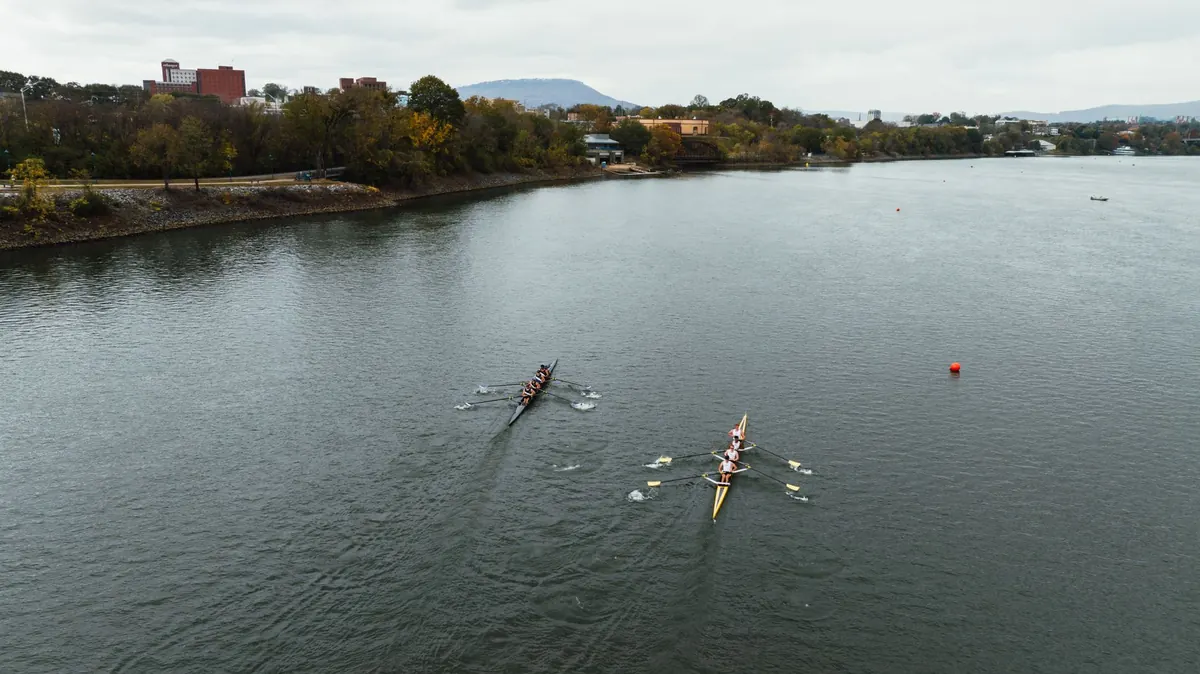
A head race is the least glamorous and most forgiving form of rowing competition there is. Nobody is lined up beside you at the start, elbows out, waiting for a gun. Boats go off one at a time, usually at intervals of ten to thirty seconds, and the clock decides everything. You cannot lose a head race in the first ten strokes, and you cannot win one by shouting. That makes it a very good place for a masters rower to race for the first time.
It is also a form that rewards homework. The entry form has more boxes than you expect, the marshalling area has rules, and the day involves a lot of waiting around in a boat. Here is how to go from "I might enter" to crossing the finish line with a number you can be proud of.
Choose a race that fits your crew, not your ambition
Head season runs roughly from September to November, with a shorter spring version in February and March. Most regions have a handful of local races in that window, typically three to six kilometres, run on a river or a lake by a club that has been doing it for decades.
For a first entry, look for a race that is:
- Local. A ninety-minute drive beats a five-hour one when you are learning the routine.
- Short. Three to four kilometres is plenty. You will be racing hard for fifteen to twenty minutes, which is longer than it sounds.
- On water you can read. A calm lake or a straight river is much easier than a tidal course with bridges, strong current and commercial traffic.
- Open to novices. Many regattas have masters novice categories. If yours does not, enter the lowest masters category you qualify for and accept that you may finish near the back.
Ask around your club about which events people return to every year. Word of mouth about parking, launching and whether the marshalling is chaos is worth more than any course map. If there is a big, famous head race nearby, go and watch it once before you enter it.
Read the entry form properly
Entry forms look bureaucratic and are actually a course description in disguise. Two forms for the same distance can mean very different days, depending on the details.
What you are entering
You will be asked for a boat class (eight, four, quad, double, single), a category, and often a status or band. Masters categories are usually based on the average age of the crew, though the exact bands vary between federations and regattas, so check the host's rules rather than assuming. Coxswains are normally excluded from the average. Mixed crews, lightweight crews and junior or senior categories all have their own definitions.
Who is in the boat
Expect to supply full names, dates of birth and governing-body membership numbers for every rower, plus a named coxswain or a note that the boat is steered by a rower. Get these in one place before you start typing. Someone always has a membership renewal pending in October.
The practical details
Read the whole thing, including the parts in small print: entry deadline, entry fee and how it is paid, withdrawal and refund policy, boating times, trailer parking, whether boats are launched from a slipway or a pontoon, and whether the regatta requires a bow number, a bow ball, or a heel-release check. If the form links to a competitor instruction document, download it. That document is the real rulebook for the day.
Register your crew without losing your mind
- Confirm who is actually rowing. A vague "I think Tom's in" three weeks out becomes a scramble the night before.
- Agree on the category before you enter, not after. If you enter the wrong band, regattas may move you or reject the entry.
- Collect names, dates of birth, membership numbers and contact details in one message thread.
- Appoint one person to submit the entry and one person to handle the boat. Usually not the same person.
- Enter before the deadline, ideally well before. Some races fill up, and late entries are frequently refused.
- Save the confirmation email and forward the key details to the crew.
If you are entering a club boat, make sure the equipment secretary knows which boat is going and that it is not already promised elsewhere. Nothing ruins a first race like discovering on Friday that your eight is on a trailer heading in the opposite direction.
Train for the distance, not for the sprint
A head race is essentially a long, hard, continuous piece at a pace you can hold. The training looks different from a 2,000-metre build. Spend your sessions on longer intervals and steady-state work at or slightly below race pace, and practise the things you will actually do on the day: a strong start, a settle into rhythm, holding form when tired, and a controlled lift in the last few minutes.
Two skills are worth rehearsing in the boat. The first is passing. The second is being passed. In a head race, faster crews start behind slower ones and the water gets busy. Know who calls the overtake, know what the agreed side is on your course, and practise steering a straight line while someone shouts at you. If your course has a bend or a bridge, row it before race day, or at least study a map with the marshals' instructions beside it.
The week before and the morning of
Most first-time head race problems are logistics, not fitness. Sort these early:
- Boat check: riggers tight, gates working, bow ball present, heel releases fitted, seats running.
- Kit: layers you can remove, a hat, spare socks, dry clothes for afterwards, and something warm to put on the moment you land.
- Tools and spares: a spanner that fits your boat, spare nuts, tape, and a small toolkit for the trailer.
- Food and water: keep it familiar. Race day is not the time for a new energy product.
- Timings: work backwards from your boating time through warm-up, trailer unloading, and finding a parking space.
Read the competitor instructions the night before, not in the car. Know your start order, your bow number, where the marshalling area is, and what the finish looks like. Check the forecast for wind, and the tide if there is one. If you have any doubt about your fitness for a hard effort, particularly with a heart condition or a recent injury, speak to a doctor before entering rather than after.
What happens on the water
You will boat, warm up, and then sit in a marshalling area with dozens of other crews, usually in bow-number order, waiting your turn. Follow the marshal's instructions, keep your boat pointing the right way, and stay out of the way of crews already racing. This is the part nobody warns you about: it can be forty minutes of gentle paddling and holding position.
When your turn comes, the starter will call you up or count you down. Go hard for the first fifteen or twenty strokes, then settle into the rhythm you trained. If a crew comes up behind you, hold your line and let them find their way past; if you are the one overtaking, call early and clearly and pass on the side the local rules specify. Bridge arches and bends often have a designated route, and it is usually the slower, safer one. If you clash oars with someone, apologise, keep rowing and sort it out on land if it mattered.
You often will not know exactly where the finish line is until you cross it. Keep rowing hard through it, then paddle on until you are clear of the course and the crews behind you. Times and results are usually published later, so resist the urge to guess your result from a coxswain's watch.
Your first-race checklist and what to do next
Before you enter: pick a local race, read the competitor instructions, confirm your crew, and enter early. Before the day: check the boat, pack layers and tools, and learn the course. On the day: arrive early, follow the marshals, row your own race, and finish with something in the tank.
Afterwards, write down two things that went well and one that cost you time. Compare your result with your own goal rather than with the winners'. Then enter another one. Head racing gets dramatically less stressful the second time, and the third time you will start thinking about the tide, the turns and the quickest line through the bridge, which is exactly where the fun is.
Photo: K / Pexels